Rome: How the Renaissance Moved Beyond Florence
This course and city experience form part of The Story of Art and the Cities that Helped Write It, an ambitious long-form programme exploring art history through the places where it was created, collected, transformed, and preserved. Through a combination of expert-led online learning and immersive city experiences, the programme places great works of art back into their original cultural context—revealing the people, power, ideas, and institutions that shaped them. Each individual course and city experience can be enjoyed on its own, while also contributing to a wider journey across the cities that defined the story of art.
Find our more about The Story of Art and the Cities that Helped Write It programme here
Overview
The museums, palaces, churches, and archaeological sites of Rome are fundamental to the story of the Renaissance because they reveal the moment when the ancient world was rediscovered, reinterpreted, and transformed into a new vision of art, architecture, and power.
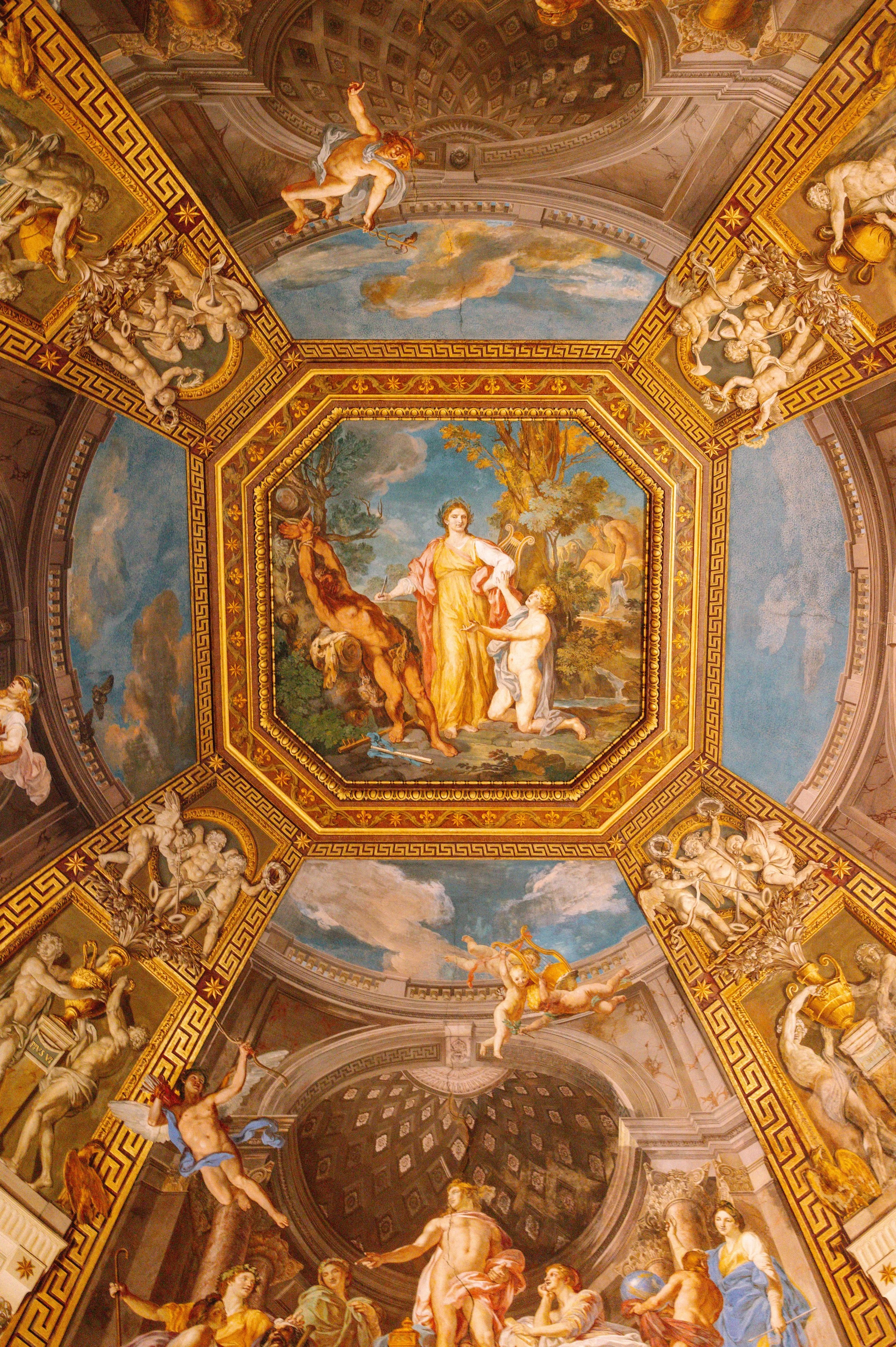
In Renaissance Rome, the legacy of antiquity became the foundation for an extraordinary cultural revival. Popes, artists, architects, and scholars looked to the remains of the Roman Empire not only as a connection to the past, but as a source of inspiration for creating a new age of achievement and ambition.
Sculpture, architecture, urban design, and monumental decoration became powerful expressions of authority, faith, and identity. The Vatican, the great papal churches, Renaissance palaces, and redesigned public spaces were conceived not simply as places of beauty, but as statements of influence and visions of a renewed Rome.
The city became a meeting point between past and present. Ancient ruins were studied and collected; classical forms were revived; and artists such as Michelangelo, Raphael, and Bramante transformed Renaissance ideals into some of the most celebrated works in Western art.
Today, sites including the Vatican Museums, St Peter’s Basilica, the Capitoline Museums, the Pantheon, and the remains of ancient Rome reveal the extraordinary dialogue between antiquity and the Renaissance. They demonstrate how the rediscovery of the classical world shaped a new artistic language—one that continues to define our understanding of beauty, creativity, and cultural ambition.
To visit Renaissance Rome is to encounter a city reinventing itself: where ancient ideals became a foundation for innovation, and where art became a powerful expression of human aspiration.
Rome: How the Renaissance Moved Beyond Florence
Dates:
Online Course: 1, 8, 15 Sept 2027 Wednesdays, 4pm GMT
City Tour: 24 & 25 Sept 2027 Friday & Saturday, 9:30am-5pm
Online course (per city module) €380 - 3×1-hour lectures preparing each city (collectors, context, art history framework)
Online + Renaissance Rome experience (combined package) €2,100 Full pre-study + guided on-site immersion.
Lecturer’s Biography
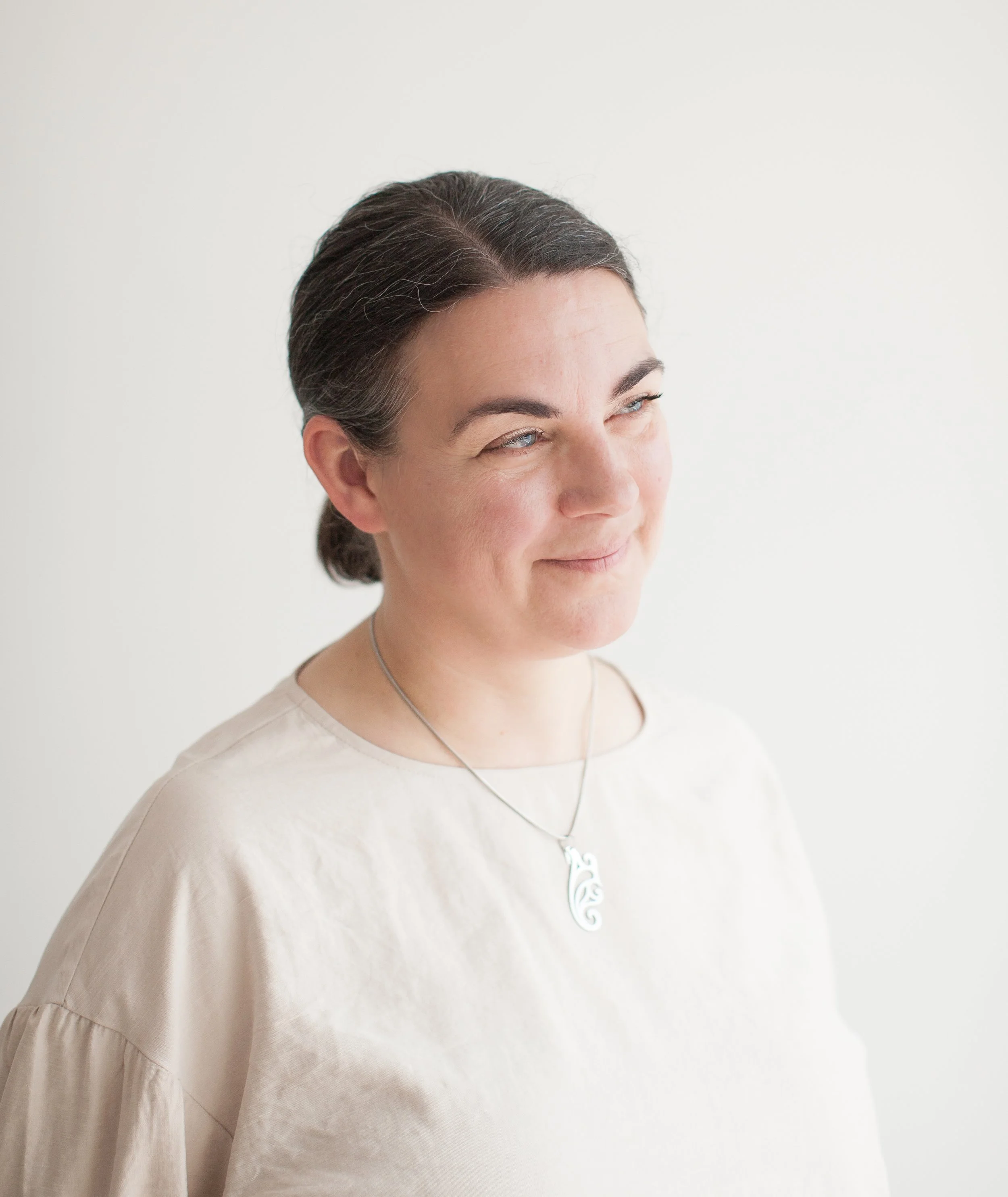
Aliki Braine
Aliki Braine (b. 1976, Paris) is an artist and art historian. She studied at The Ruskin School of Fine Art, Oxford, The Slade School and The Courtauld Institute, London where she was awarded a distinction for her theses on 17th century painting. She has been working for The National Gallery for 25 years and teaches for Christie’s Education, The Wallace Collection, The Arts Society and numerous private clients. Aliki is also a practicing artist who taught at Camberwell College of Art and Westminster University and who regularly exhibits her work internationally.
Publications & Exhibitions
Books
Art; The Whole Story, Thames and Hudson (2010)
501 Artists, Barons Publishing (2007)
1001 Paintings to See Before You Die, New Burlington Books (2006)
Reviews
Robert Shore, Beg, Steal and Borrow; Artists Against Originality, Elephant Books (2017)
Pauline Martin, L’Évidence, le vide, la vie; La photographie face à ses lacunes, Ithaque Editions (2017)
Brady Wilks, Alternative Photographic Processes: Crafting Handmade Images, Focal Press (2015)
Robert Shore, Post-Photography: The Artist With a Camera, Laurence King Pub (2014)
Exhibitions
‘Veronica Bailey & Aliki Braine: Cross-Reference', dalla Rosa Gallery, London (2018)
‘Wilful Damage’, Galerie Raum Mit Licht, Vienna, Austria (2011)
‘Les Evidences du Réel; La photographie face à ses lacunes’, Musée d'art de Pully, Lausanne, Switzerland (2017)
‘Material Light’, Kulturni Centar, Belgrade, Serbia (2015)