Istanbul: The Art of Empire
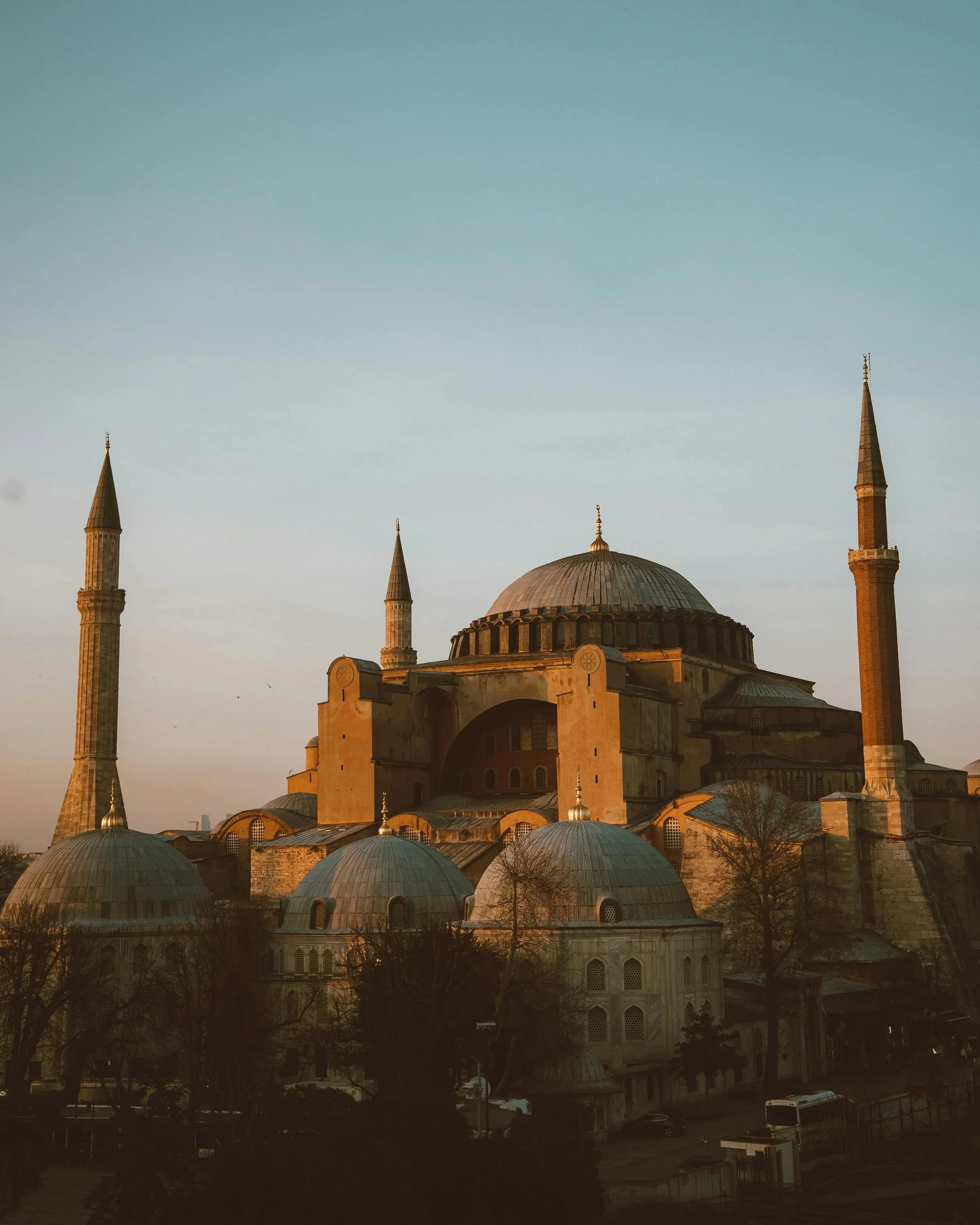
This experience forms part of The Story of Art and the Cities that Helped Write It, an ambitious long-form programme exploring art history through the places where it was created, collected, transformed, and preserved. Through a combination of expert-led online learning and immersive city experiences, the programme places great works of art back into their original cultural context—revealing the people, power, ideas, and institutions that shaped them. Each individual course and city experience can be enjoyed on its own, while also contributing to a wider journey across the cities that defined the story of art.
Overview
Explore the artistic and architectural treasures of Istanbul with Dr. Richard McClary, an expert in Byzantine and Ottoman art history from the University of York. Over three days, this guided tour journeys through the city’s two great empires: the Byzantine era, with its luminous mosaics and monumental churches, and the Ottoman period, celebrated for its stunning mosques, palaces, and intricate decorative arts. From the enduring legacies of Byzantine design to the grandeur and refinement of Ottoman art and architecture, participants will gain a deep understanding of the city’s visual culture and its evolution across centuries, all through the lens of one of the world’s most dynamic urban landscapes.
Prior to the Istanbul tour, Dr Richard McClary will present a three-session online course, Exploring Islamic Art: From Objects to Its Markets. This engaging series will offer valuable insights into the themes and artworks encountered on the tour. Click the button below to learn more and to register.
Dates
13, 20 & 27 April 2027 - online course
7 - 9 May 2027 - Istanbul city experience
Fee
€2400
€2495 course and Istanbul tour (purchase online below)
Tour Schedule
Day 1: The Byzantine City
The Hippodrome, Byzantine Palace floor mosaics, Saints Sergius and Bachus Church (‘Little Hagia Sophia Mosque’)
LUNCH
Istanbul Archaeology Museum (and Tiled Kiosk), Hagia Sophia, Basilica Cistern.
We start with an exploration of the surviving remnants of the last capital of the Roman empire and explore their impact on the later Ottoman monuments. The remains of the Byzantine palace include wonderful floor mosaics, and a visit to small but perfect formed Byzantine church is followed after lunch by the rich array of objects from across the city and beyond in the archaeological museum. The day concludes with the mother church, and an underground cistern filled with huge carved columns and capitals.
Day 2: Ottoman Art
Topkapı Palace
LUNCH
Turkish and Islamic Arts Museum, Sokollu Mehmet Pasha Mosque
The second day starts with an extensive tour of the heart of the Sublime Porte, the seat of Ottoman power, including the harem, the holy relics from Mecca and a wide variety of public and private spaces. The afternoon starts with the main museum of Islamic art, with examples of some of the finest carpets in the world, and concludes with one of the smaller, and less visited but superb, Ottoman mosques of the city.
Group dinner
Day 3: Ottoman Architecture
Beyazit Mosque, Covered Bazaar, Nuruosmaniye Mosque
LUNCH
Rustem Pasha Mosque, Sadberk Hanım Museum
The final day focusses on Imperial Ottoman Mosque architecture, from the emergence of the high Ottoman style at the Beyazit Mosque, to the development of the Ottoman baroque style in the Nuruosmaniye Mosque. After visiting the wonderfully tiled Rustem Pasha Mosque, the day concludes with an extended visit to Vebi Koç’s private collection in the Sadberk Hanım Museum. Located on the shores of the Bosphorus, it has one of the greatest collections of Iznik ceramics in the world.
Closing Drinks
Lecturer’s Biography
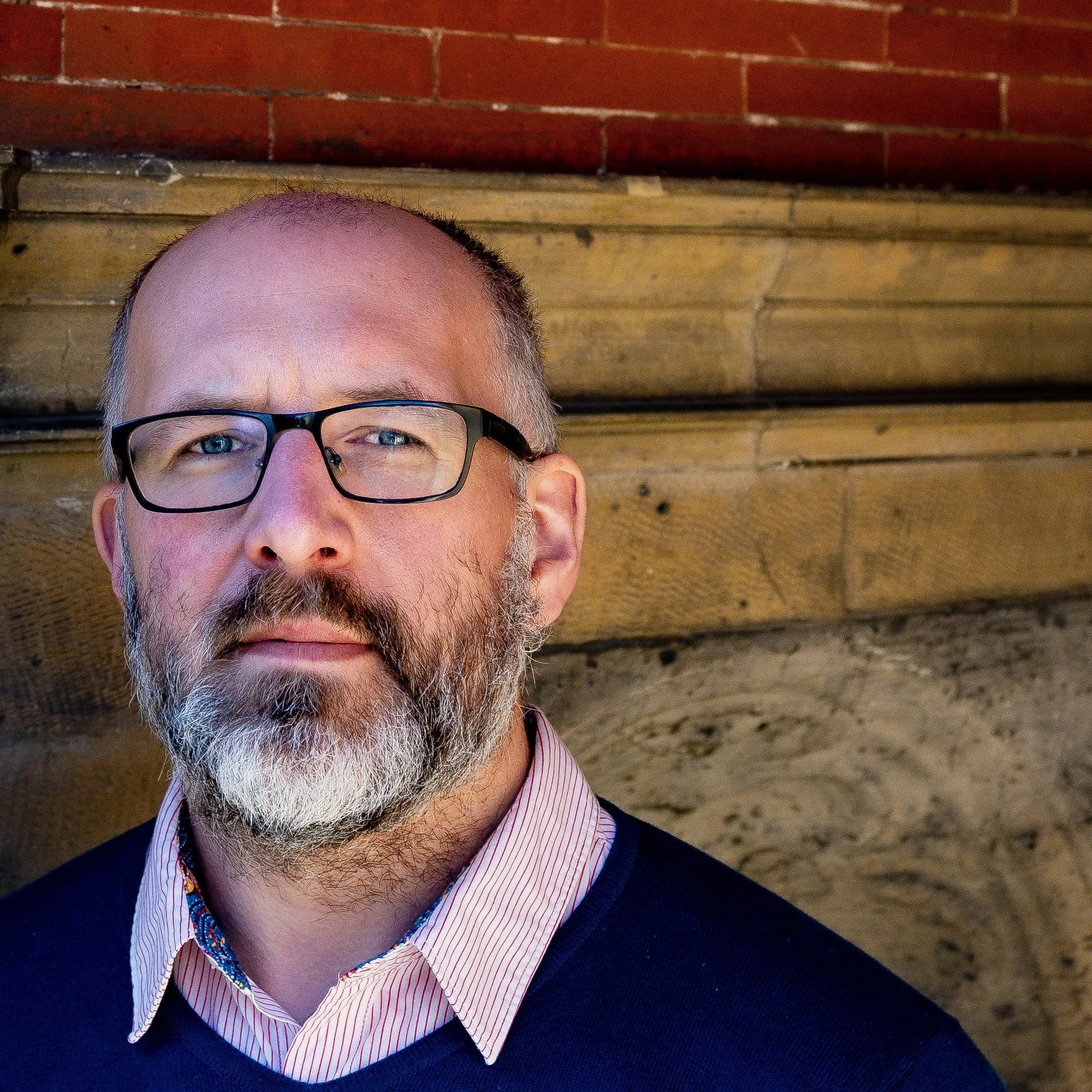
Dr Richard Piran McClary
Richard is a Senior Lecturer in Islamic Art and Architecture at the University of York. He received his doctorate from the University of Edinburgh in 2015. He has lectured extensively on a range of subjects related to the Islamic art market, and medieval Islamic art and architecture. He has conducted fieldwork in India, Iran, Turkey, Central Asia and across the Middle East. He has published three monographs with EUP; Rum Seljuq Architecture 1170-1220. The Patronage of Sultans (2017), Medieval Monuments of Central Asia. Qarakhanid Architecture of the 11th and 12th Centuries (2020), and Mina’i Ware (2024). He has published articles in numerous journals, including Muqarnas, Iran, and the Journal of the Royal Asiatic Society. He has served as a trustee and the Research Director for the British Institute of Persian Studies, and is managing editor of the Journal of Islamic Art and Architecture.